Support Email
connect@relevancedoctor.com
Looking into the Future: The Ultimate Guide to Plastic Surgery Trends in 2026
Welcome to the new era of aesthetic medicine. If the last decade was defined by dramatic transformations, heavy volume, and highly noticeable enhancements, 2026 has officially ushered in the age of refinement, preservation, and regenerative care.
Today’s patients are no longer looking for cookie-cutter results. Instead, the focus has shifted entirely toward subtle, anatomy-preserving techniques that enhance natural features rather than overwrite them.
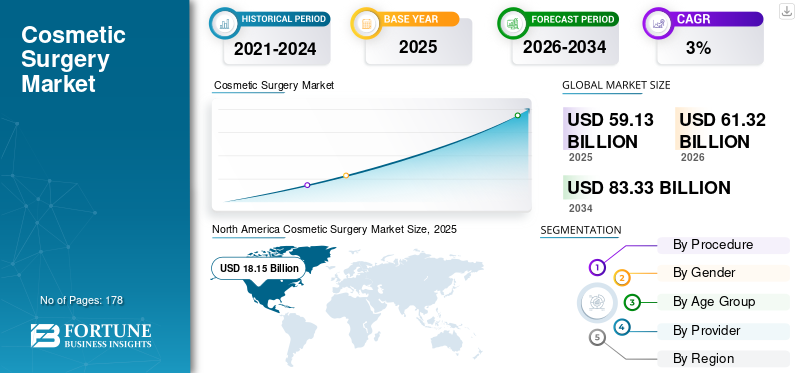
With The global cosmetic surgery market was valued at USD 59.13 billion in 2025. The market is expected to increase from USD 61.32 billion in 2026 to USD 83.33 billion in 2034, with a CAGR of 3.50% over the forecast period., the data is clear: the demand for cosmetic procedures is higher than ever, but the specific type of procedures patients want has fundamentally changed.
Let us dive into the data-backed trends defining 2026.
The most significant shift in 2026 is the transition from purely volume-based treatments to regenerative aesthetics. Patients are moving away from traditional hyaluronic acid (HA) fillers and leaning heavily into treatments that force the body to do the work itself.
Biostimulators, polynucleotides (filtered DNA fractions that jumpstart cellular repair), and exosome therapies are at the forefront of this movement. Rather than simply filling a line or hollow space, these advanced injectables stimulate your fibroblasts to produce endogenous collagen and elastin.
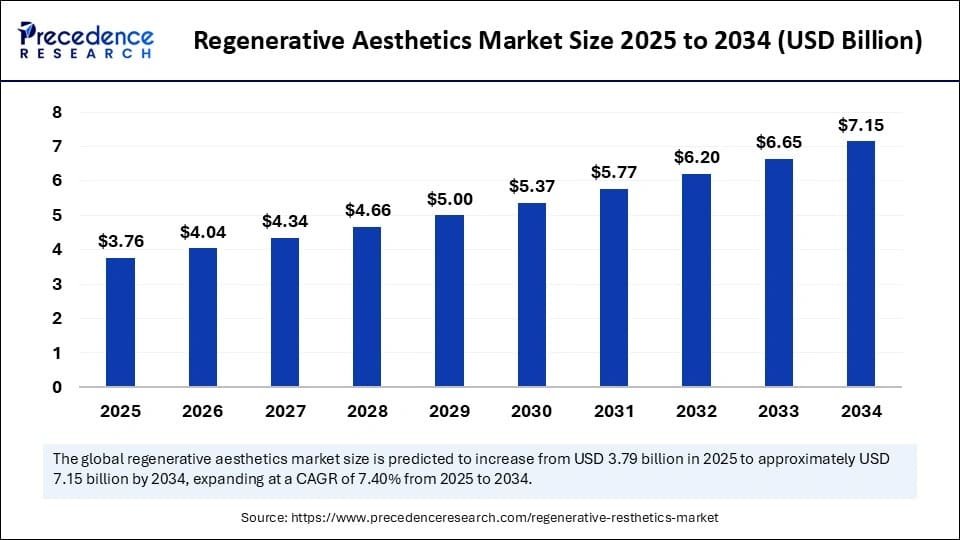
The global regenerative aesthetics market is experiencing explosive growth. Valued at $3.76 billion in 2025, it is projected to surpass $4.04 billion in 2026, on its way to $7.15 billion by 2034. Clinics are reporting a massive surge in requests for "collagen banking"—a preventative strategy where patients in their twenties and thirties use regenerative tools to maintain skin structure before any significant aging occurs.
The widespread adoption of GLP-1 weight-loss medications has permanently altered the plastic surgery landscape. As patients achieve massive, rapid weight loss, the resulting loose skin and volume depletion have created a highly specialized sub-category of aesthetic care.
In 2026, the "GLP-1 Makeover" is a leading surgical trend. This involves comprehensive body contouring designed to restore proportional balance to the frame. Popular procedures include extended tummy tucks (abdominoplasty), brachioplasty (arm lifts), thigh lifts, and targeted fat grafting to restore lost facial or breast volume.
Demand for skin removal and advanced contouring has skyrocketed. Like according to this research data shows The GLP-1 market size is estimated at USD 101.4 billion in 2026 and projected to reach USD 180 billion by 2035, representing a CAGR of 8.7% during the forecast period 2026 to 2035.
Patients are increasingly opting for hybrid approaches—combining surgical skin removal with non-surgical skin tightening technologies like radiofrequency (RF) microneedling or ultrasound therapy.
Surgeons note that combining these modalities improves skin elasticity, ensures smoother transitions, and extends the longevity of surgical results, reflecting a more holistic approach to post-weight-loss recovery.
The era of the exaggerated "Instagram Face" is over. The standard for 2026 is what industry experts are calling "High-Fidelity Aesthetics"—results that are completely undetectable.
For facial surgeries, this means a rise in deep-plane facelifts and neck-first rejuvenation. Rather than pulling the skin tight, surgeons are manipulating the deeper structural layers of the face to preserve natural movement and avoid a "windblown" appearance. Blepharoplasty (eyelid surgery) is also seeing a massive boom, particularly transconjunctival approaches that hide scars entirely, providing a rested look without obvious surgical intervention.
When it comes to the body, smaller is becoming the new standard. The trend of "yoga boobs" or "ballerina boobs" is dominating breast augmentations. Patients are overwhelmingly requesting smaller, more natural-looking implants that fit an active lifestyle and do not announce themselves as surgical.
Recent studies highlight a sharp increase in breast implant removals and downsizing, with removal procedures jumping significantly over the past five years as patients prioritize comfort, proportional harmony, and natural silhouettes over dramatic transformations.
The stigma surrounding male plastic surgery has completely dissolved, making way for a booming demographic. Men are actively seeking structural, preventative, and restorative procedures to maintain a competitive, refreshed edge in their personal and professional lives.
The focus for men in 2026 is sharp mandibular profiles and discreet rejuvenation. Jawline contouring utilizing high-G-prime fillers, submental liposuction, and energy-based skin tightening are top requests. Furthermore, hair restoration has evolved into a high-tech science, merging robotic Follicular Unit Extraction (FUE) – (It offers higher accuracy (averaging a 6.6% transection rate) with exosome therapy to drastically improve graft survival and density.
The global male aesthetic market is experiencing unprecedented momentum. Industry reports project the male "Brotox" and filler segment alone to reach a staggering $5.6 billion by the end of 2026. Furthermore, men now account for approximately 16% of all laser skin treatments globally, a number that is climbing steadily year over year.
Technology is bridging the gap between guesswork and clinical precision. In 2026, artificial intelligence is a staple in the consultation room. Clinics are utilizing AI-driven diagnostic scanners to measure subsurface sun damage, vascularity, and collagen density, allowing for highly mathematically tailored treatment plans.
Additionally, "treatment stacking" is the new clinical standard. Instead of single-modality visits, practitioners are layering treatments—such as pairing an RF microneedling session for surface texture with deep-tissue biostimulators for structural lift—during the exact same appointment. This holistic ecosystem approach minimizes downtime while maximizing synergistic results.
As we navigate 2026, the cosmetic procedure industry is defined by intelligent aging. By blending cutting-edge regenerative science, advanced AI diagnostics, and an unwavering commitment to subtle, natural artistry, today’s aesthetic medicine empowers individuals to look refreshed, balanced, and undeniably themselves.
https://www.fortunebusinessinsights.com/cosmetic-surgery-market-102628
https://www.thebusinessresearchcompany.com/report/cosmetic-surgery-global-market-report
https://www.precedenceresearch.com/regenerative-aesthetics-market
https://www.drdanielbarrett.com/blog/ballerina-boobs-the-latest-fashion-trend
https://ckhealthturkey.com/treatments/plastic-surgery-turkey/top-male-aesthetic-trends-2026-jawline-hair-brotox/